
7 Rockaway Home-Buying Mistakes to Avoid (and How to Fix Them)
Buying a home is exciting—until the little surprises start adding up. In Rockaway, the process has its own rhythm: neighborhood-by-neighborhood price swings, older housing stock mixed with newer renovations, and timing that matters more than many buyers expect. The good news is most "mistakes" aren't fatal—they're usually just missteps that can be prevented with the right plan and a calm, local perspective. Below are seven common pitfalls buyers run into, plus practical ways to fix them before they cost you money, time, or the home you really wanted.
1) House-hunting before you understand the numbers
The mistake: Falling in love with homes before you've nailed down your true monthly comfort zone. Many buyers focus on the purchase price and forget the full picture: taxes, insurance, utilities, and the reality that maintenance can look very different from one block to the next.
How to fix it: Get a clear pre-approval (not just a pre-qualification) and build a "real monthly" budget. Include a buffer for repairs and seasonal costs. If you're stretching, consider whether changing the home type, commuting pattern, or renovation expectations will feel better long-term than maxing out on day one.
2) Treating every Rockaway neighborhood the same
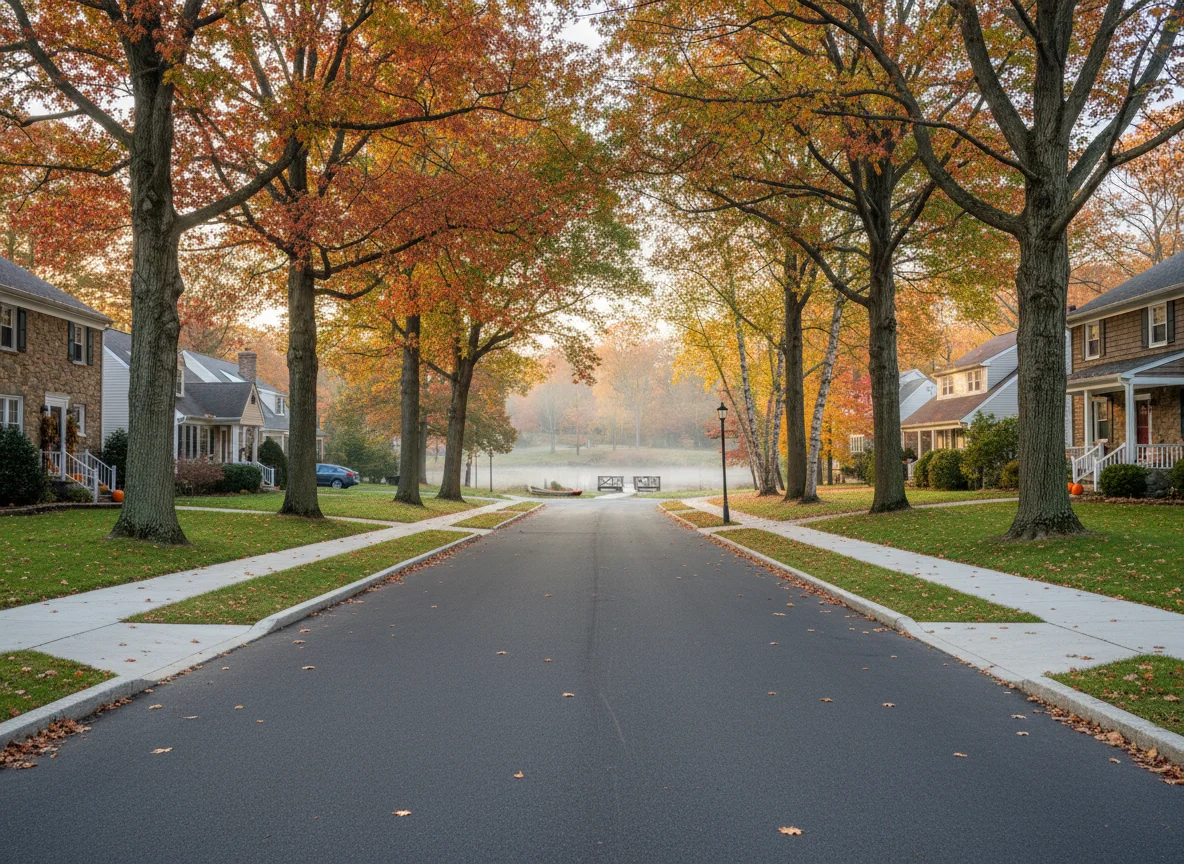
The mistake: Assuming the market is uniform. In reality, micro-location matters—traffic patterns, proximity to parks, the feel of the street, and school boundaries can shift demand and resale value. Two similar-looking homes can perform very differently depending on where they sit.
How to fix it: Spend time driving the area at different times (weekday mornings, evenings, and weekends). Ask for recent comparable sales that match not only size and style but also the immediate pocket of the neighborhood. A local agent who watches week-to-week conditions can help you identify where competition is heating up and where you can negotiate more confidently.
3) Underestimating the true cost of "move-in ready"
The mistake: Thinking a renovated home means no near-term spending. Cosmetic updates are great, but even beautifully finished homes can hide aging roofs, older HVAC components, or drainage issues that won't show up in listing photos.
How to fix it: Keep a "first-year home fund," even if you buy something that looks perfect. During showings, look past finishes and ask about the age of major systems. Your inspection should focus on the components that actually protect your budget: structure, water management, electric, plumbing, and heating/cooling performance.
4) Skipping (or weakening) the inspection strategy
The mistake: Rushing inspections because you're afraid to lose the deal. In competitive moments, buyers sometimes waive safeguards without understanding what they're giving up—and that can become expensive fast, especially with older homes or properties that have been updated in stages.
How to fix it: Build a smart inspection plan rather than an emotional one. Standard home inspection is the baseline, but you may also want specialists depending on the property: chimney, sewer line, structural engineer, or radon testing. The goal isn't to find a "perfect" house—it's to understand risk, prioritize repairs, and negotiate fairly based on evidence.
5) Writing an offer based only on asking price
The mistake: Treating the list price like a rule instead of a signal. Sometimes it's priced to attract multiple offers; other times it's aspirational. Either way, if your offer doesn't match current conditions, you might overpay—or lose a home you could have won with better terms.
How to fix it: Evaluate the full offer package: price, deposit, inspection terms, financing strength, and timelines. Strong terms can matter as much as a small price bump. If you're competing, consider what you can do that's safe for you while still appealing to the seller—like flexible closing dates or a clean, organized documentation package.
6) Ignoring lifestyle logistics until after you're under contract
The mistake: Focusing on the house but forgetting how you'll live around it. The daily realities—commute routes, parking, errands, recreation, and how the home supports your routine—are what make a purchase feel "right" six months later.
How to fix it: Do a lifestyle test run. Map your typical week: school drop-offs, work, gym, parks, and weekend activities. Rockaway buyers often appreciate access to trails, green spaces, and community amenities—so confirm what's nearby and what you'll actually use. The best home is the one that supports your real life, not just your Pinterest board.
7) Not planning for resale from day one
The mistake: Believing resale doesn't matter because you plan to stay "forever." Life changes—jobs, family needs, and finances shift. Homes with broad appeal tend to hold value better and are easier to sell, even if you're happy there for years.
How to fix it: Prioritize fundamentals: location within the community, sensible layout, bedroom count, and condition of major systems. If you plan renovations, choose improvements that buyers consistently value—roof, mechanicals, kitchens and baths done thoughtfully, and good energy efficiency. A local market-savvy guide can help you separate high-impact upgrades from expensive distractions.
A calmer, smarter way to buy in Rockaway
The best buyers aren't the ones who "win" by rushing; they're the ones who make confident decisions with clear information. EXIT Classic Realty is built around that kind of guidance—local market-conditions knowledge, support through the full buying and selling process, and a strong focus on customer service so you never feel like you're guessing. If you'd like a Rockaway-specific game plan—budget ranges, neighborhood pros and cons, and an offer strategy that fits your comfort level—Susan Wadleigh can help you move from scrolling listings to holding keys, without the avoidable regrets.