
Morristown Pricing Reality Check: What Drives Value Street to Street?
Home prices in Morristown can feel like they change block by block—and in a way, they do. One street can command a premium for its walkability and charm, while another (still "Morristown") trades at a noticeably different level because of traffic patterns, housing style, or even the feel of the sidewalks at dusk. If you're buying, selling, or simply tracking the market, the most useful mindset is to stop thinking in broad averages and start thinking in micro-markets. The good news: once you know what to look for, the patterns become clearer.
It's not just Morristown—it's the neighborhood mood and the daily routine
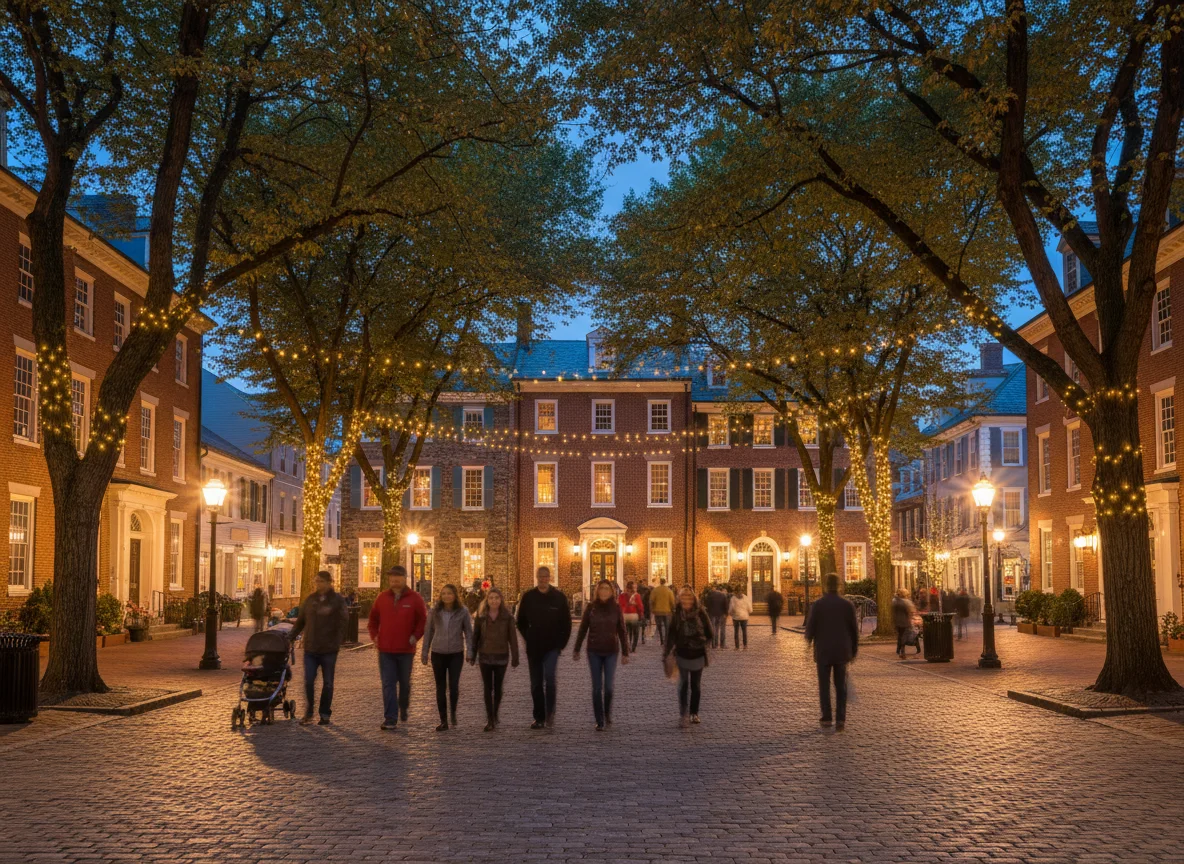
Daily convenience is a price driver. In Morristown, the ability to step outside and reach a village center, parks, transit options, or everyday services without feeling like you're "planning a trip" can add measurable value. Buyers often pay for an easier routine: a shorter commute, a simpler school drop-off, and the feeling that weekends are truly yours. That preference shows up in sale prices, days on market, and how competitive the bidding gets.
But convenience isn't one-size-fits-all. Some buyers want quick access to transit and a lively atmosphere; others prefer a quieter pocket with more privacy, even if it adds a few minutes to errands. This is why two homes with similar square footage can sell far apart: their locations serve different lifestyles. If you're selling, the best strategy is to identify which lifestyle your street naturally fits and market to that buyer—rather than trying to be everything to everyone.
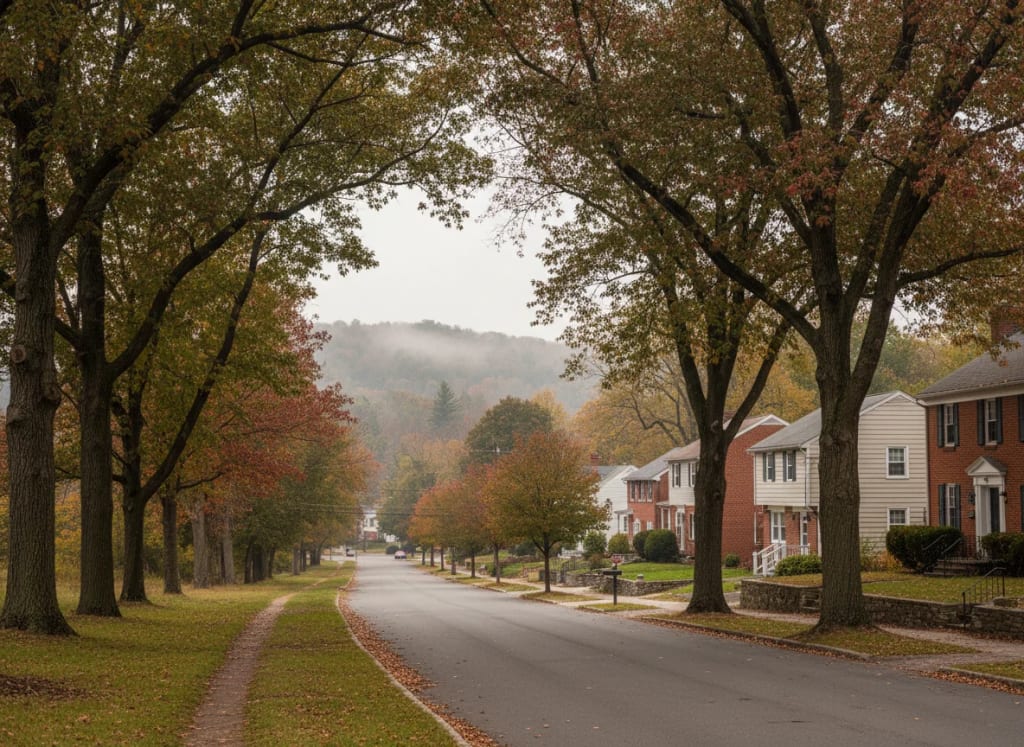
Street "feel" matters more than people think. Sidewalk continuity, mature trees, lighting, and traffic speed all influence whether a street feels calm, social, or hectic. Buyers absorb those cues instantly, often before they even step inside. That emotional first impression can raise perceived value—especially when inventory is tight and decisions move quickly.
Housing stock, lot patterns, and the hidden math of upgrades
Morristown's value shifts are also driven by what's actually built on each street. Some pockets have consistent housing styles and lot sizes, which helps appraisers and buyers feel confident about what a home "should" be worth. Other areas are more mixed—renovated next to original, small lots near larger parcels—which can create a wider pricing spread and more debate during negotiations.
Renovations don't all return the same. A thoughtfully updated kitchen and modernized systems (roof, HVAC, electrical) tend to matter everywhere, but the return on those upgrades depends on the ceiling for that micro-market. On a street where most homes are already renovated, an untouched property may be discounted heavily. On a street where buyers expect character and are open to doing work, a well-priced "project" can still move fast.
Also consider the difference between visible upgrades and confidence upgrades. Fresh paint and staging make great photos, but mechanical updates reduce a buyer's worry—and worry is expensive. When two homes are similar, the one that feels lower-risk often wins, even if it isn't the flashiest.
Schools, recreation, and the value of "what you do after work"

Even when buyers aren't explicitly "shopping for a school district," they often shop for what school districts tend to bring: stable demand, long-term confidence, and a community rhythm that supports families. Proximity to recreation—parks, trails, and athletic facilities—adds another layer. People want to picture a life that feels active and connected, not just a house that checks boxes.
In Morristown, that lifestyle appeal can be very street-specific. A home a short distance from green space or an easy walking route can feel more "livable" than one that requires crossing busy roads or driving for every outing. Those micro differences influence how many buyers show up, how long they linger at an open house, and whether they're willing to stretch. In competitive windows, the best-located homes don't just sell—they create momentum.
Dining and local gathering spots also play a role, but not in a generic "near things" way. What matters is whether the area feels like a place you'll actually use: a comfortable evening walk, a quick meet-up, a weekend routine that doesn't require a plan. When a street supports that, it earns a premium—even if the home itself isn't the largest on the list.
Condition, competition, and timing: why list price is only the first story
Two sellers can list the same week and get wildly different outcomes because the competitive set differs street to street. A property might be "competing" with renovated inventory nearby, or it might be the only turnkey option in its pocket. That changes everything: pricing strategy, negotiation leverage, inspection posture, and the type of offer that wins (clean terms vs. highest number).
Appraisal sensitivity increases when the spread is wide. If recent nearby sales vary a lot—because some were fully renovated, others were distressed, or lot sizes differ dramatically—then the transaction needs clean positioning. That means presenting the home clearly, documenting improvements, and pricing with an eye on what the market can support, not just what the internet estimate suggests.
This is where local, street-level insight becomes practical, not theoretical. EXIT Classic Realty emphasizes market-conditions knowledge and guidance through the full buying and selling process, which matters most when the "headline" Morristown number doesn't capture what your block is doing. With Susan Wadleigh's approach rooted in exceptional customer service, the goal is to translate neighborhood nuance into a plan: what to fix, what to highlight, how to time the launch, and how to negotiate once the offers arrive.
How to do your own quick "street-to-street" value check
- Compare like with like: Similar lot size, similar condition, similar bedroom/bath count—then adjust for upgrades and layout.
- Watch the days-on-market pattern: Fast sales often signal a strong micro-market (or underpricing). Slow sales can mean overpricing or buyer hesitation about the street.
- Look beyond the list price: Pay attention to price reductions, contingencies, and how often homes come back on market.
- Observe the street at different times: Morning commute, after-school, evening—traffic and noise can feel different than during a showing.
Morristown pricing isn't random—it's a map of lifestyle preferences, housing patterns, and buyer psychology, drawn at the scale of individual streets. If you're preparing to buy or sell, focusing on micro-markets will give you a clearer, calmer view of value than any citywide average. And when you match your strategy to what your street naturally offers, you don't just get a number—you get the outcome you were hoping for.